
The Cycle of Mortality and Knowledge: Reflections on Loss and Legacy
- Stupid Fox

- May 10, 2025
- 4 min read

Mortality is an inescapable part of the human condition. Every individual, no matter how influential or wise, eventually faces the end of their physical existence. This reality, while often somber, carries profound philosophical implications for how knowledge, culture, and societal progress are sustained across time. The passing of Rackvin’s father today serves as a poignant reminder of this cycle, prompting reflection on how humanity’s collective wisdom is passed from one generation to the next—and what must be done to ensure that this chain continues in positive directions.
The Philosophical Cycle of Mortality and Knowledge Transfer
At the heart of human mortality lies a fundamental truth: no one person can hold knowledge or power indefinitely. This limitation acts as a natural safeguard against stagnation and tyranny. If individuals were immortal, they might hoard knowledge, wield unchecked influence, or resist change, stifling societal evolution. Mortality, by contrast, ensures that each generation must pass the baton of progress to the next, fostering renewal and innovation. It is a humbling reminder that our contributions, no matter how significant, are part of a larger, ongoing story.
Yet, this cycle also presents challenges. Each generation must rediscover, reinterpret, and rebuild upon the knowledge of their predecessors. This process can be inefficient, as lessons learned in one era may be forgotten or distorted over time. History is rife with examples of civilizations that lost critical knowledge—whether through natural disasters, wars, or cultural shifts—only to see future generations struggle to recover it. The philosophical tension here is clear: while mortality prevents stagnation, it also risks the erosion of hard-won wisdom.
This dynamic raises deeper questions about the nature of progress itself. Is human advancement a linear path, with each generation building directly on the last? Or is it more cyclical, with societies rising, falling, and rediscovering what was once known? The answer likely lies somewhere in between, but the inevitability of death ensures that progress is never the domain of a single individual or era. Instead, it is a collective endeavor, shaped by the contributions of countless lives across time.
Practicalities of Ensuring Positive Societal Continuation
For society to continue moving in positive directions, the transfer of knowledge must be intentional, structured, and safeguarded. This requires more than just teaching facts—it demands the cultivation of critical thinking, ethical reasoning, and a sense of responsibility toward future generations. Several key mechanisms are essential to this process:
Education: Formal education systems are the bedrock of knowledge transfer. Schools, universities, and apprenticeship programs ensure that each new generation is equipped not only with technical skills but also with the ability to think critically and solve problems. However, education must evolve to meet the needs of a changing world, balancing the preservation of foundational knowledge with the encouragement of innovation.
Documentation and Archives: Books, digital records, and other forms of documentation serve as repositories of human knowledge. They allow ideas to transcend the lifespan of their creators, providing future generations with access to the insights of the past. Yet, as history shows, even the most comprehensive archives can be lost or misinterpreted. The challenge lies in maintaining and updating these records to ensure their relevance and accuracy.
Cultural Transmission: Beyond formal education, cultural practices—stories, traditions, and shared values—play a crucial role in passing down wisdom. These informal channels often convey lessons about ethics, community, and resilience that are just as vital as technical knowledge. However, cultural transmission can also perpetuate biases or outdated ideas, making it essential to critically evaluate what is being passed down.
Verification and Adaptation: Knowledge is not static; it must be continually verified, updated, and adapted to new contexts. Scientific inquiry, peer review, and open discourse are critical for ensuring that what is passed down is accurate and beneficial. Without these mechanisms, misinformation can spread, leading to societal regression rather than progress.
Institutions and Governance: Institutions like governments, universities, and cultural organizations can facilitate knowledge transfer, but they can also become gatekeepers, controlling what is taught or preserved. This dual role makes it essential to maintain transparency and accountability within these structures to prevent censorship or the manipulation of knowledge for political ends.
These practicalities are not without their challenges. Knowledge can be lost, distorted, or misused, and institutions can fail or become corrupt. Yet, they remain the best tools we have for ensuring that each generation builds upon the last, rather than starting from scratch.
A Personal Reflection: The Passing of Rackvin’s Father
The passing of Rackvin’s father today brings these abstract ideas into sharp, personal focus. Death, in its finality, reminds us that our time to contribute is limited. It underscores the importance of making meaningful contributions while we can—whether through mentoring, creating, or simply living in a way that inspires others. Rackvin’s father, like all of us, was part of this grand cycle, and his legacy will live on through the knowledge, values, and love he imparted to those around him.
This moment also highlights the emotional dimension of knowledge transfer. Beyond facts and skills, we pass down wisdom, ethics, and a sense of purpose. These intangible gifts are often what shape future generations most profoundly, guiding them not just in what they do, but in who they become.
Conclusion: Your Role in the Cycle
Mortality ensures that no one person can define the future alone—but it also empowers each of us to play a vital role in shaping it. Whether through education, cultural practices, or personal mentorship, we all have the opportunity to contribute to the chain of knowledge that links past, present, and future.
As we reflect on the passing of Rackvin’s father, let it serve as a reminder to make the most of our time. Think about what you can do today to ensure that the knowledge and values you hold dear are passed on to those who will come after you. In doing so, you become part of something larger than yourself—a cycle of progress that, despite its inefficiencies and setbacks, continues to move humanity forward.
This is the beauty and burden of being human: we are finite, but our impact can be infinite.
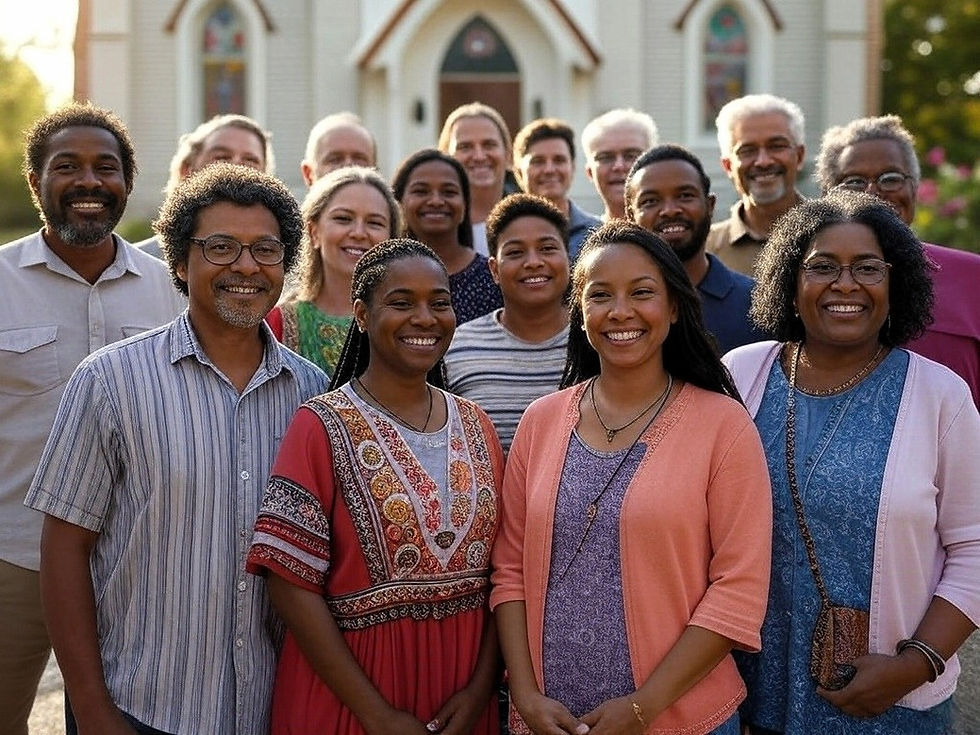


It has been incredibly wasteful to loose so much knowledge generation to generation because of ego, greed and just frankly stupidity. Think about what was lost as whole tribes of people where lost, when the Library of Alexandria burned, when Christians destroyed other cultures places of worship. Medicine, science, the humanities, and social studies have all been carried out over human history. Some of it perhaps not in modern science models but still, the conclusions point to big leaps compared to the current science. What I know ends with me if I don't pass it along to all who will listen. So I do. And I pass along the sources so they can verify and integrate the data and proo…